If you’ve ever noticed water pooling around your air conditioner or wondered why your AC seems to leak indoors, the issue often comes down to the drain pan. Understanding where it is, how it works, and how to maintain it can prevent water damage, mold growth, and costly repairs. This guide will cover everything you need to know, including cleaning and troubleshooting tips.
What Is an AC Drain Pan?
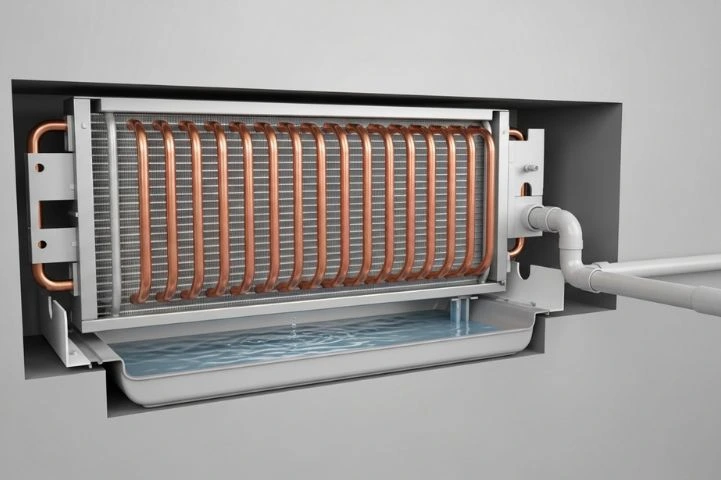
A drain pan is a shallow container located beneath the evaporator coil of your air conditioning system. Its primary purpose is to catch condensation that forms as warm air passes over the coil. Without a functioning pan, water could leak onto floors, ceilings, or walls, potentially causing structural damage and mold growth. Modern systems often include a float switch in the pan, which shuts off the system when water levels get too high, protecting your home from flooding.
Where Is the Drain Pan Located on Different AC Systems?
The location of the drain pan can vary depending on the type of air conditioner you have. Here’s an overview of the most common setups:
1. Central Air Conditioner
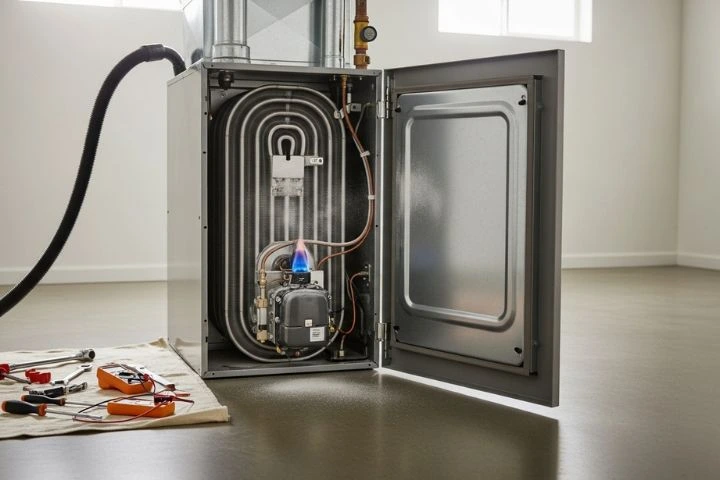
In central systems, the pan is usually located under the indoor air handler, beneath the evaporator coil. This is often found in attics, basements, or closets. The pan collects condensation and channels it safely outside through a drain line.
2. Window AC Unit
In window units, the pan is located at the bottom of the air conditioner. Most modern window ACs allow water to evaporate naturally, but older models may require manual draining.
3. Mini Split AC
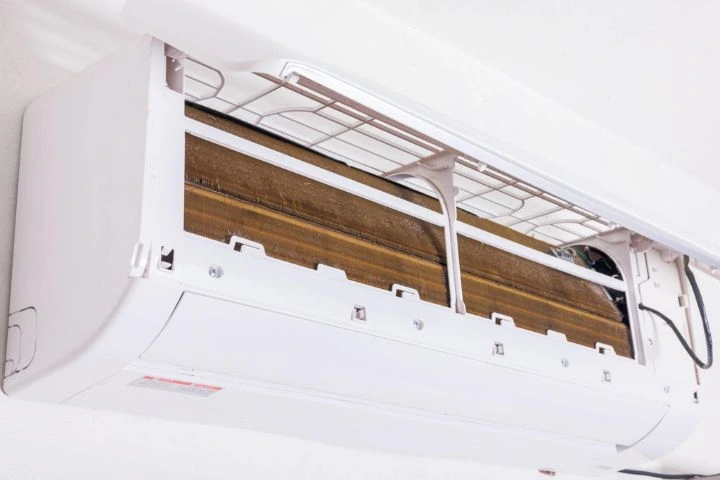
Mini split systems have a small indoor unit mounted on a wall. The pan sits inside the unit, typically behind the front panel, and water exits through a small drain hose to the outside.
4. Portable AC
Portable units generally contain an internal pan that requires periodic emptying. Depending on the model, this may be done manually or via a small attached hose.
What Does a Drain Pan Look Like?
Drain pans are generally shallow, rectangular containers made from either plastic or metal. They sit directly beneath the evaporator coil to catch condensation. Most pans have a small drain hole that channels water safely outside or to a designated drainage area. Some common types include:
- Metal pans – durable but can rust over time
- Plastic pans – lightweight and resistant to corrosion
- Coil pans – positioned directly under the evaporator coil
How Does a Drain Pan Work?
The pan catches water that forms on the evaporator coil as the air conditioner cools your home. Warm air passes over the coil, moisture condenses, and the water drips into the pan. From there, it travels through a drain line to the outside. If water accumulates excessively, the float switch may shut off the system to prevent flooding.
How to Locate the Drain Line
The drain line is the pipe connected to the pan that carries water out of the house. It is typically a small PVC pipe running from the indoor unit to the outside. Checking the drain line is important for maintenance and to ensure proper water flow.
How to Clean the Drain Pan
Cleaning the pan regularly prevents clogs, standing water, and mold growth. Follow these steps:
- Turn off the power to your AC unit.
- Remove the access panel to reach the pan.
- Inspect for standing water and debris.
- Clean the pan with mild soap and warm water.
- Flush the drain line with water or a mild vinegar solution.
- Reinstall the panel and turn the system back on.
Using a wet/dry vacuum can help remove stubborn clogs, and checking the float switch ensures the system will operate safely.
How Much Water Should Be in the Pan?
A small amount of moisture is normal, but excessive standing water may indicate a clog, improper pan slope, or damage. Standing water can trigger the float switch and shut down the system to prevent flooding.
What Happens If the Pan Is Clogged?
A clogged pan or drain line can lead to:
- Water leaks inside the home
- Ceiling or floor damage
- Mold growth
- System shutdown due to float switch activation
Regular cleaning and maintenance help prevent these issues and keep the system running efficiently.
Brand-Specific Example: Goodman Units
In some systems, such as Goodman air conditioners, the pan is located under the indoor air handler. Ensuring the pan is clean and free from rust or debris is crucial for proper water drainage.
How to Check the Drain Line
To maintain proper water flow:
- Use a wet/dry vacuum to remove clogs
- Pour a mild vinegar solution down the line periodically
- Inspect the outside exit to make sure water is flowing properly
When to Replace the Pan
Even with proper maintenance, a pan may need replacement if it is rusted, cracked, or frequently contains standing water. Replacing a damaged pan ensures proper drainage and protects your home from water damage.
Conclusion
Understanding the location and function of the drain pan is essential for the performance of your air conditioning system and the safety of your home. Regular cleaning, inspection, and maintenance help prevent leaks, mold, and damage. Taking a few simple steps to care for the pan can save money and ensure your system runs smoothly throughout the year.