Choosing the right air conditioning system for your home can feel overwhelming. With so many options available, homeowners often ask: Which AC system is best for my home, budget, and energy efficiency goals?
In this in-depth guide, we compare mini-split vs window unit vs central air conditioning systems, breaking down how they work, their pros and cons, energy efficiency, installation needs, and ideal use cases—so you can make a confident decision.
Types of Home Air Conditioning Systems Explained
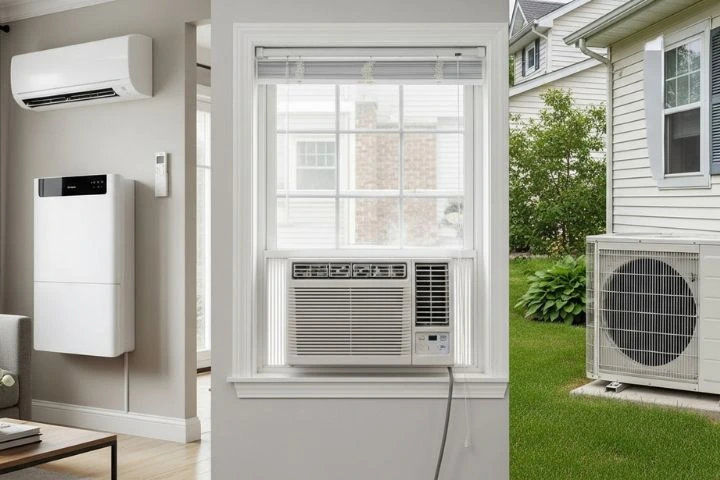
Before comparing performance and cost, it’s important to understand the three main types of home air conditioning systems:
- Window Air Conditioners
- Mini-Split (Ductless) Systems
- Central Air Conditioning Systems
Each system cools your home differently and serves specific housing needs.
How Window Air Conditioners Work
Window AC units are self contained systems installed in a window or wall opening. They pull warm indoor air, cool it using refrigerant coils, and expel heat outside.
Pros and Cons of Window Air Conditioners
Pros
- Low upfront cost
- Easy installation
- Ideal for renters and temporary cooling
- Good for single rooms or small spaces
Cons
- Blocks windows and natural light
- Noisy operation
- Limited cooling capacity
- Higher electricity usage compared to mini-splits
- Uneven cooling
How Mini-Split Air Conditioners Work
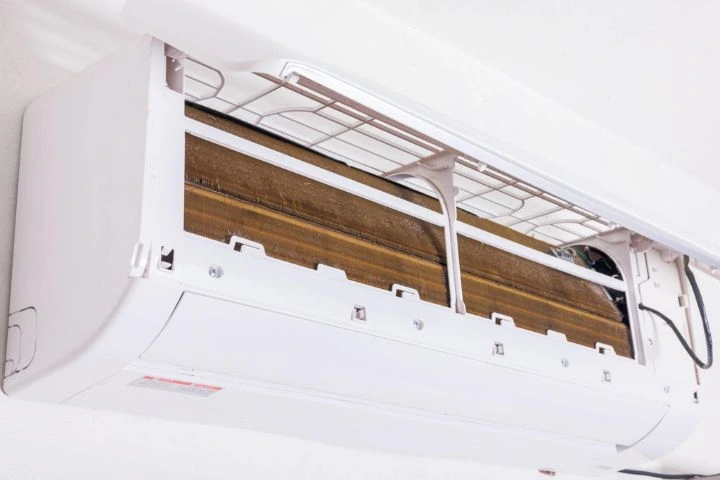
Mini-split systems are ductless air conditioners consisting of an outdoor compressor and one or more indoor air handlers. Refrigerant lines connect the units, allowing efficient zone-based cooling.
Advantages and Disadvantages of Ductless Air Conditioners
Pros
- Extremely energy efficient
- Zoned temperature control
- Quiet operation
- No ductwork required
- Ideal for old homes and home additions
Cons
- Higher upfront cost than window AC
- Professional installation required
- Indoor units visible on walls
How Central Air Conditioning Works
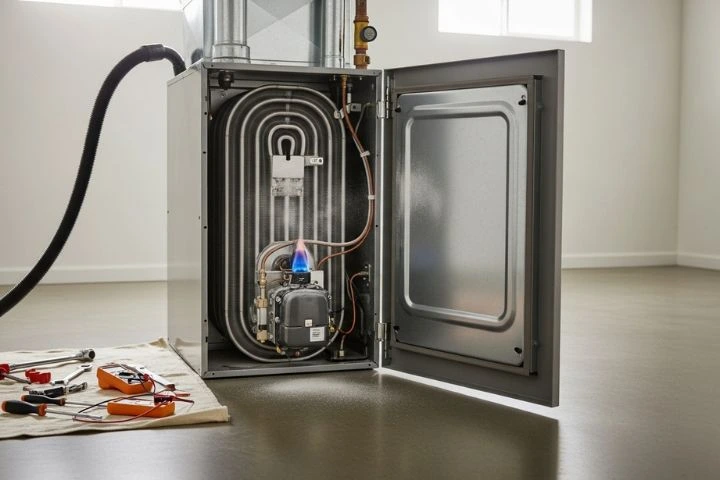
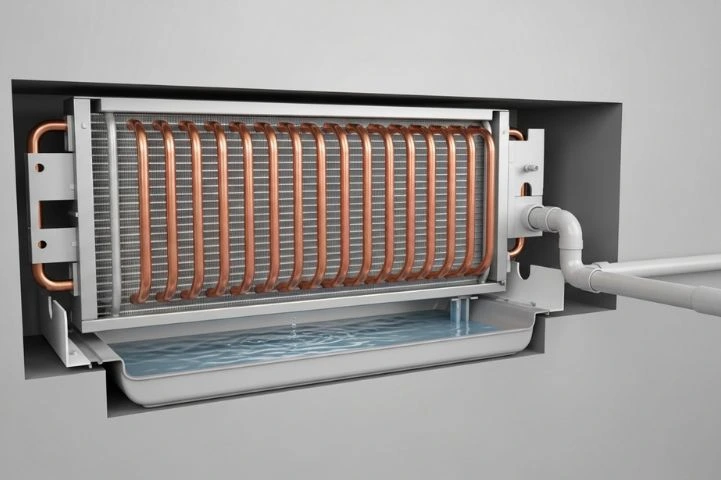
Central air systems cool the entire home through ducted air distribution. A central outdoor unit works with an indoor evaporator coil and blower to push cooled air through vents.
Pros and Cons of Central Air
Pros
- Whole-home cooling
- Clean, hidden system
- Strong resale value
- Consistent temperature control
Cons
- Highest installation cost
- Requires ductwork
- Less energy efficient without zoning
- Costly for older homes
Mini-Split vs Central Air for Old Homes
Older homes often lack ductwork, making central air expensive to install.
Mini-splits are better for old homes because:
- No ducts needed
- Minimal structural changes
- Lower long-term operating costs
Best Air Conditioning System for Your Home Size
Best AC System for Small House
- Window AC (budget)
- Mini-split (long-term efficiency)
Best AC System for Large Home
- Central air
- Multi-zone mini-split systems
When to Choose Mini-Split vs Central Air
Choose Mini-Split if:
- You want zone-based cooling
- Energy efficiency matters
- You have an older or ductless home
Choose Central Air if:
- You want whole-home cooling
- Your home already has ductwork
- You plan to stay long-term
Final Verdict: Which AC System Is Best?
There is no one-size-fits-all answer. The best air conditioning system for home use depends on:
- Home size
- Budget
- Energy efficiency goals
- Existing ductwork
Quick Recommendation:
- Budget cooling: Window AC
- Efficiency & flexibility: Mini-Split
- Whole-home comfort: Central Air
Need help choosing the right system?
Consult a licensed HVAC professional to assess your home and cooling needs before installation.